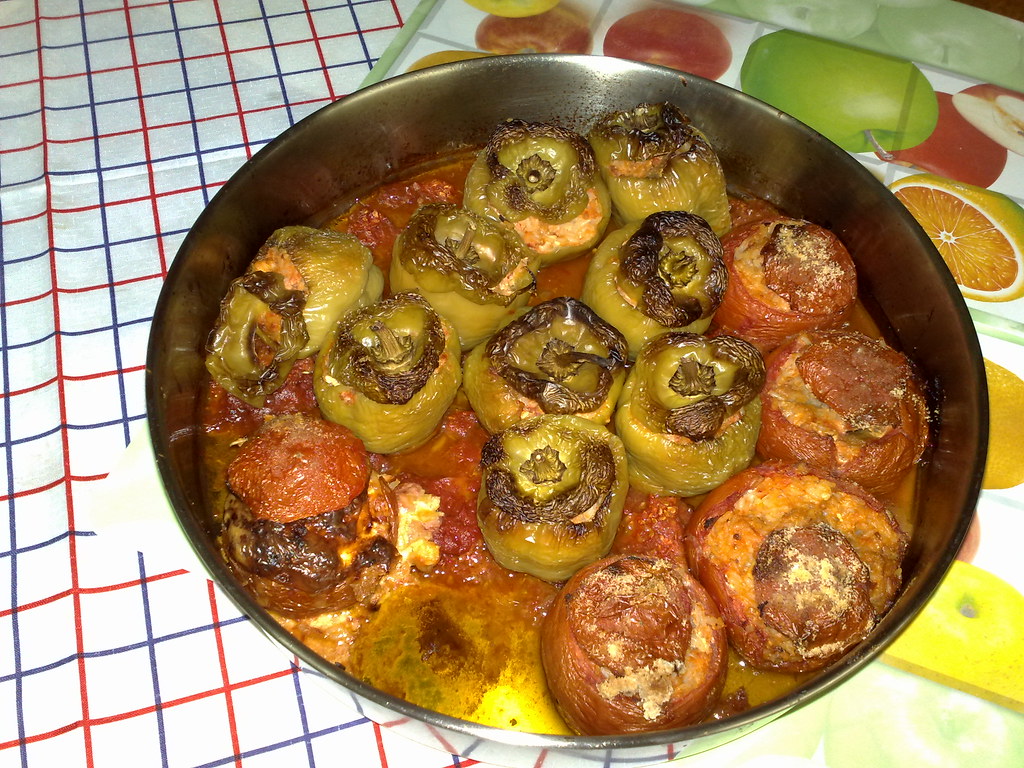
Every Greek grandmother we have met has the same opinion about gemista: it is better tomorrow. Eat it straight from the oven and it is good. Leave it overnight, bring it back to room temperature, and the rice has drunk up the tomato juice and olive oil and become something close to perfect. One yiayia in Astoria put it more bluntly: "Hot gemista is for tourists."
A country that knows how to fast
Greece is one of the most Orthodox Christian countries in Europe, and the Orthodox calendar includes a lot of fasting. Many Wednesdays and Fridays are fast days. Then come the long seasons: Great Lent before Easter, around seven weeks; the fast before Christmas, which runs from November 15 to December 24; two weeks in August before the feast of the Dormition; and a variable fast in early summer.
On a strict fasting day, Orthodox Christians avoid meat, fish with backbones, dairy and eggs. On the very strictest days, olive oil and wine are left out too. Not everyone follows it to the letter, but enough people do that Greek bakeries mark some breads and biscuits as nistisimo, suitable for fasting, and tavernas keep a list of fasting dishes.
Greek fasting food is not a punishment menu. It is a whole family of dishes cooked so slowly in olive oil that you forget anything is missing.
Meet the ladera
That family is called ladera (or lathera), "the oily ones": vegetables slow-cooked in plenty of olive oil, tomato and herbs until they collapse. Green beans (fasolakia), okra (bamies), the mixed roasted vegetables called briam, and stuffed vegetables, gemista, all belong. Most are vegan by nature, and most are served with bread for mopping and, outside fasting days, a slab of feta.
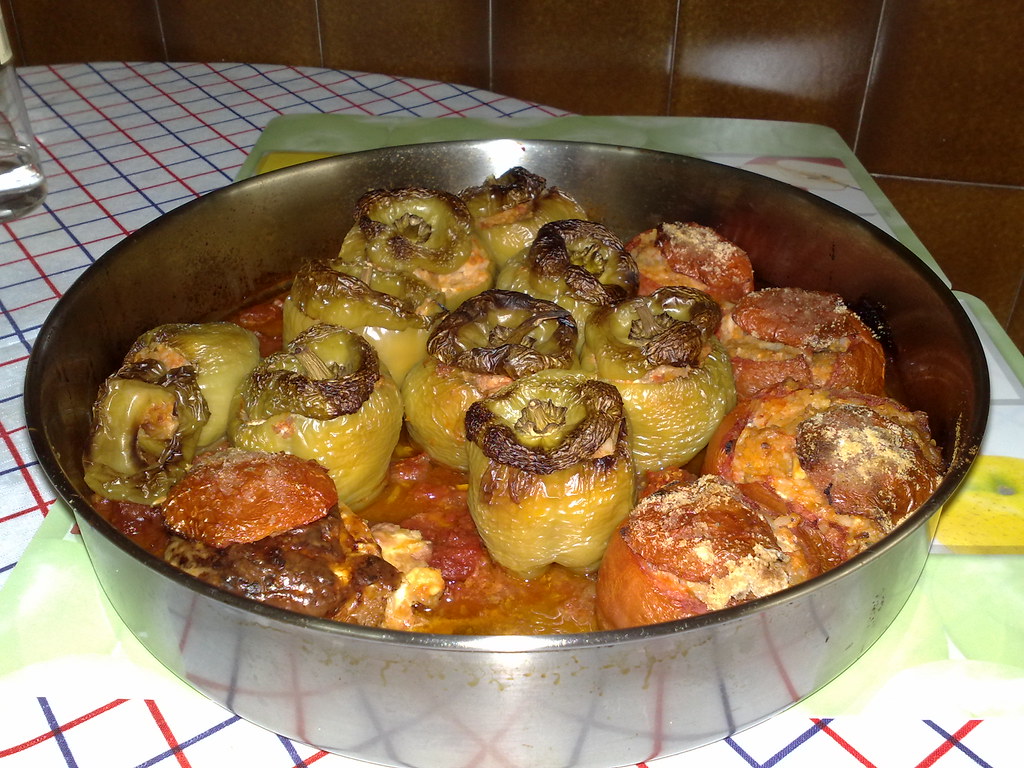
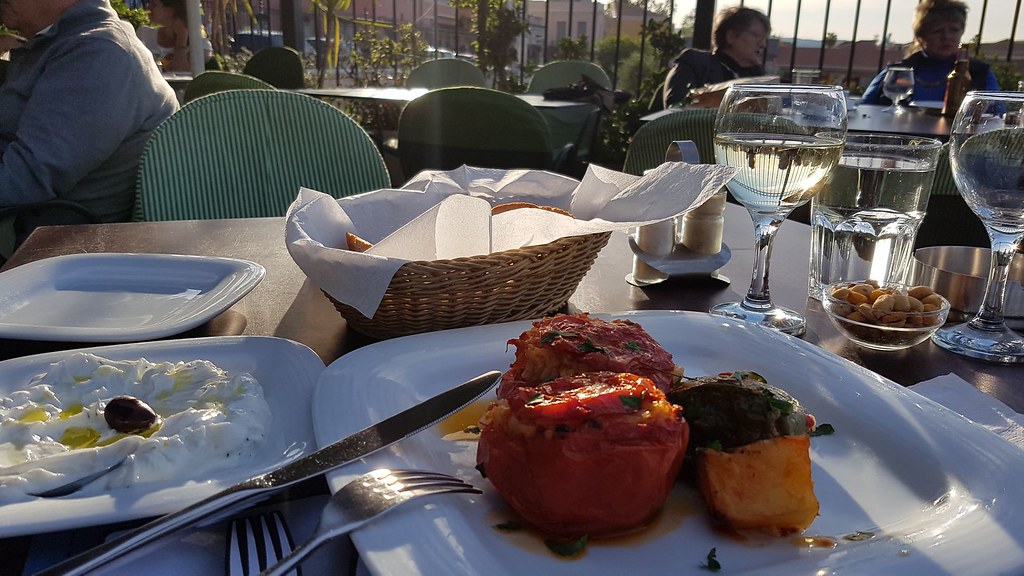
The name gemista simply means "stuffed ones." In summer, when tomatoes are cheap and ripe, Greek households fill huge round baking pans with hollowed tomatoes and peppers packed with herbed rice, tuck potato wedges into the gaps, pour over a shocking amount of olive oil, and slide the lot into the oven.
The rules nobody writes down
- Waste nothing. Scoop out the tomato flesh, chop it, and stir it into the rice. The rice cooks in the tomatoes' own juice.
- Keep the lids. Slice the tops off the tomatoes and peppers and put them back on before baking, like little hats.
- Leave room. Fill each vegetable only about three-quarters full. The rice swells.
- Use real herbs. Mint, parsley and dill, in generous handfuls. Some islands add pine nuts and raisins.
- Be patient. Gemista needs well over an hour in the oven, and then it needs to rest.
A note on versions: some families stuff their gemista with minced meat and rice. The rice-only version is the traditional fasting one, and in our opinion the better one.
One honest caveat about fasting menus: Orthodox fasting allows shellfish, octopus and squid, so "fasting food" in a Greek restaurant does not always mean vegan. Gemista, fasolakia and briam are your safe bets. Just ask them to hold the feta.
Cook it: gemista with herbed rice
You need
- 6 large, firm ripe tomatoes
- 2 green or red bell peppers
- 1 cup medium-grain rice
- 1 onion, grated, and 2 garlic cloves
- ½ cup olive oil, plus more to drizzle
- ½ cup chopped parsley, ¼ cup mint, ¼ cup dill
- 1 tbsp tomato paste
- Salt, pepper and a pinch of sugar
- 3 potatoes, cut into wedges
Method
- Heat the oven to 375°F (190°C). Slice the tops off the tomatoes and peppers and keep them. Scoop out the tomato flesh and chop or blend it. Remove the pepper seeds.
- Sprinkle the insides of the tomatoes with a little salt and sugar.
- Mix the rice, onion, garlic, herbs, tomato paste, half the olive oil and about two-thirds of the tomato pulp. Season well.
- Stand the vegetables in a deep baking pan and fill them three-quarters full. Put the lids back on.
- Tuck potato wedges into the gaps, season them, and pour over the remaining pulp, the rest of the oil and ½ cup water.
- Cover with foil and bake 1 hour. Uncover and bake 30–40 minutes more, until the rice is tender and the tops are blistered.
- Rest at least 30 minutes, ideally overnight, and serve at room temperature with crusty bread.
Find it in New York
Astoria, Queens, has been the heart of Greek New York for decades. Its tavernas usually have gemista and other ladera on the menu, especially in summer and during Lent, and its bakeries label fasting-friendly breads and biscuits. Ask for nistisimo and "no feta."
Further reading: Gemista · Lathera · Fasting in Eastern Orthodoxy (Wikipedia overviews with their own citations).