Home / How It's Made

The kitchen lab

How plant-based food is actually made

The names on the packet can sound like science projects. Most of these foods are centuries old and made with water, heat, time and sometimes a helpful microbe. Here is how each one is made, and the main types you will meet.

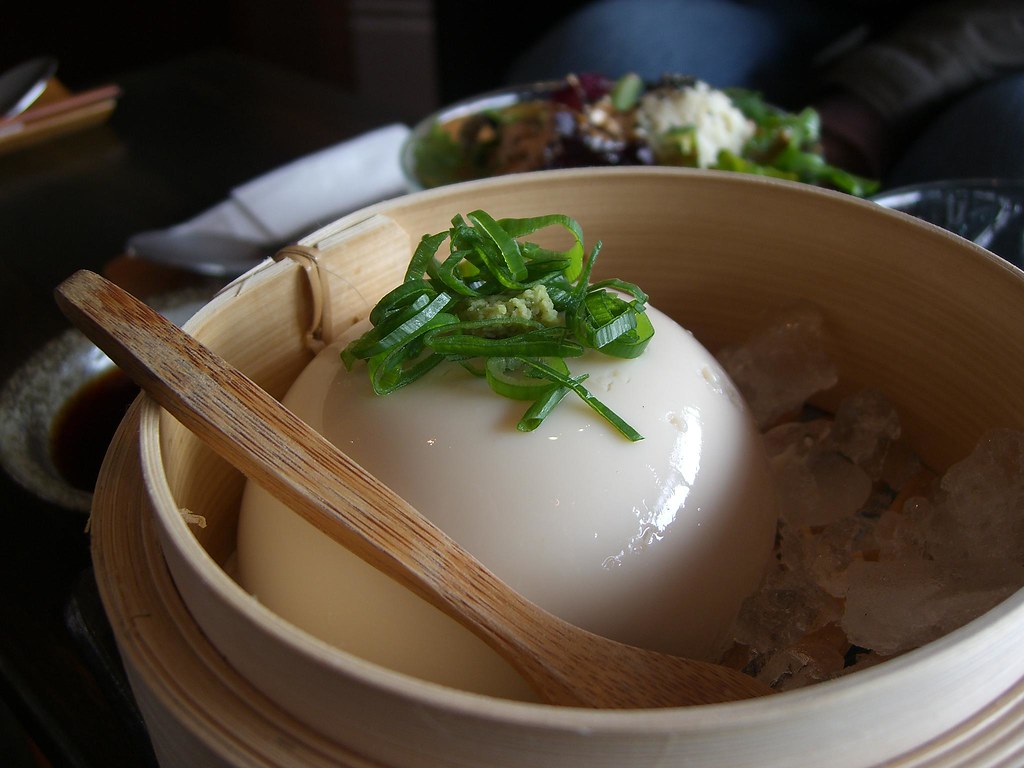
A block of fresh homemade tofu topped with spring onion in a bamboo steamer
China, about 2,000 years of tradition

Tofu

Tofu is made very much like fresh cheese. Soybeans are soaked, ground with water and boiled, then strained into soy milk; the pulp left behind is called okara. A coagulant is stirred into the hot milk, which splits into curds and whey. The curds are ladled into cloth-lined moulds and pressed. The traditional coagulant in Japan is nigari (magnesium chloride from seawater); in China it is often gypsum (calcium sulfate), which also makes calcium-set tofu a good source of calcium.

  1. Soak
  2. Grind
  3. Boil
  4. Strain
  5. Coagulate
  6. Press

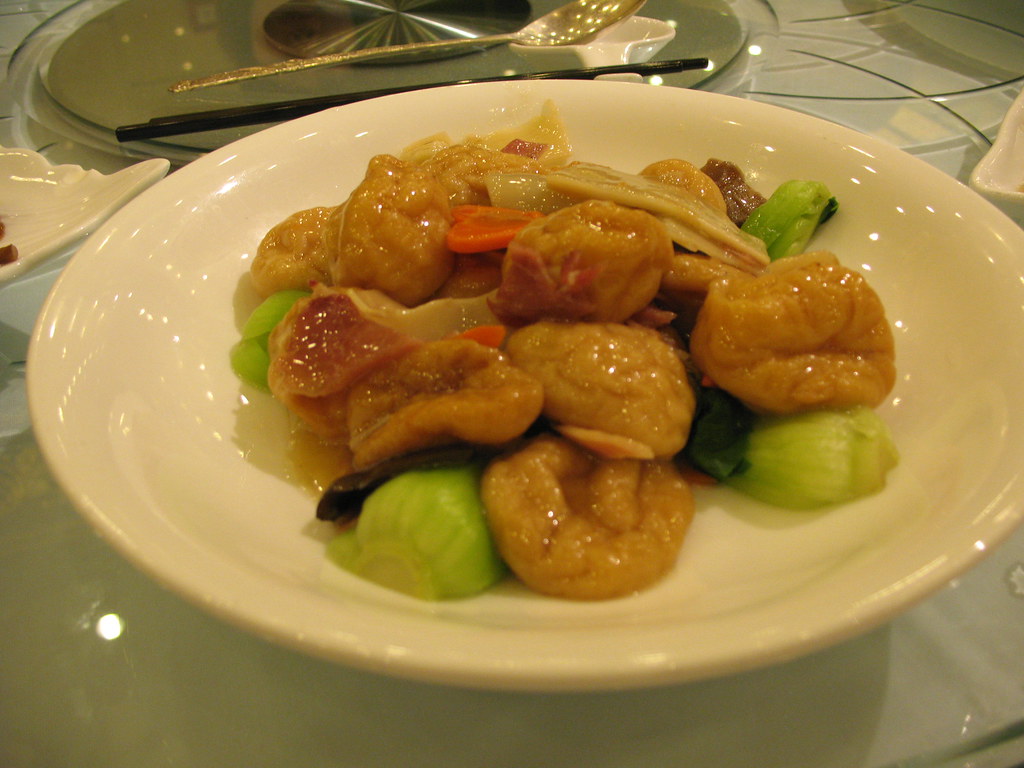
Types: silken (set in its packet, never pressed), soft, firm, extra-firm, pressed and dried tofu, fried tofu puffs, yuba (the skin lifted off heated soy milk), fermented tofu, and the famously pungent stinky tofu.

Tempeh and vegetable skewers on a grill
Java, Indonesia

Tempeh

Soybeans are soaked, dehulled and boiled, then cooled and mixed with spores of Rhizopus mould. Packed into leaves or perforated bags, they are kept warm, at around 86°F (30°C), for a day or two. White mycelium grows through the beans and binds them into a firm cake. Because the whole bean is used, tempeh has more protein and fibre than tofu, and a nutty, mushroomy taste. Read our Java story →

  1. Soak & dehull
  2. Boil
  3. Cool & dry
  4. Add culture
  5. Pack
  6. Incubate 24–48 h

Types: soybean tempeh, okara tempeh (tempe gembus), and modern versions from chickpeas, black beans or grains.

Fried wheat gluten puffs with greens on a plate
China, then Japan, then everywhere

Seitan (wheat gluten)

Knead flour and water into a dough, rest it, then wash it in water, squeezing and rinsing until the starch washes out. What remains is gluten, a stretchy protein mass. Most home cooks now skip the washing and start from vital wheat gluten, a powder of already-separated gluten. The dough is then simmered, steamed or baked. Read our wheat-gluten history →

  1. Knead
  2. Rest
  3. Wash out starch
  4. Shape
  5. Simmer or steam

Types: Chinese mian jin and fried gluten puffs, spongy kao fu, Japanese fu and fresh namafu, and dense Western-style seitan. Not for anyone avoiding gluten.

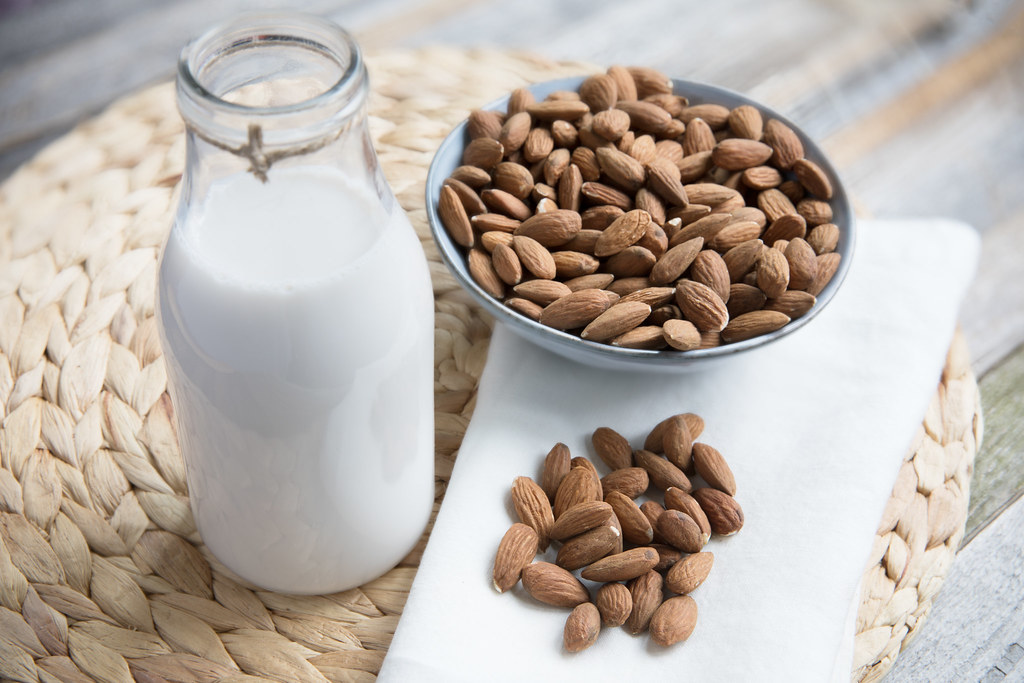
Almond milk in a glass bottle with almonds
Many traditions, one method

Plant milks

The home method is simple: soak nuts, beans or grains, blend them with water, and strain. Soy milk is boiled as part of the process; almond and cashew milks are not. Commercial oat milk adds enzymes that break the oat starch into sugars, which is why it tastes naturally sweet and doesn't turn slimy. Factory versions are usually homogenised and fortified with calcium and vitamins, which homemade milks lack.

  1. Soak
  2. Blend
  3. Strain
  4. Heat (soy)
  5. Fortify (commercial)
Compare

Types of plant milk at a glance

Protein figures are typical values for one cup of an unsweetened commercial version. Brands vary a lot, so check the label.

MilkProtein per cup (approx.)Taste & textureBest for
Soy7–8 g, close to cow's milkCreamy, slightly beanyBaking, buttermilk swaps, sauces
PeaAbout 8 gNeutral, smoothDrinking, cereal, smoothies
Oat2–4 gNaturally sweet, richCoffee and lattes, porridge
AlmondAbout 1 gLight, nutty, thinCereal, smoothies
RiceUnder 1 gThin and sweetPeople with nut and soy allergies
Coconut (carton)0–1 gLight coconut flavourCurries, desserts, drinking
More from the lab

Other plant-based staples, explained

Nutritional yeast

A yeast (Saccharomyces cerevisiae) grown on a sugar source such as molasses, then heated so it is inactive, and dried into flakes. Cheesy and savoury. Many brands are fortified with vitamin B12; check the label.

Aquafaba

The liquid from cooked or canned chickpeas. It whips like egg whites into meringues and mousse. Home cooks discovered the trick around 2014–15, and an online group gave it its name.

Young jackfruit

Unripe green jackfruit, cooked and shredded into a "pulled" texture. Great in tacos, but low in protein, so pair it with beans.

TVP

Textured vegetable protein: defatted soy flour pushed through an extruder into dry crumbles or chunks. Soak in hot stock and use like mince.

Miso

Soybeans (often with rice or barley) fermented with koji mould and salt for months or years. White miso is mild; red is strong.

Agar

A setting agent made from red seaweed. It must be boiled to work and sets firmer than gelatine, even at room temperature.

Kala namak

"Black salt" from South Asia. Its sulphur smell makes tofu scrambles taste remarkably like eggs.

Injera & teff

Teff flour fermented for days, then steamed on a griddle into Ethiopia's spongy flatbread. See the platter →

How many types?

Types of vegan and plant-based eating

"Vegan" was coined in England in 1944 by the founders of the Vegan Society, from the first and last letters of "vegetarian." Today people eat this way for different reasons and in very different styles.

Whole-food plant-based

Mostly unprocessed: beans, grains, vegetables, fruit, nuts. Little oil, sugar or packaged food.

Traditional / cultural

The dishes in our Journal: fasting foods and temple cooking that were vegan long before the word.

Raw vegan

Mainly uncooked food, or food warmed below a set temperature. Demanding to do well.

Convenience vegan

Plant-based burgers, nuggets and ice cream. Vegan, but not automatically healthy.

Ethical vegan

Avoids animal products in food, clothing and cosmetics, mainly for animal-welfare reasons.

Environmental vegan

Chooses plants mainly to reduce their climate and land footprint.

Vegetarian

No meat or fish, but eats dairy and/or eggs. Not the same as vegan.

Flexitarian

Mostly plant-based with occasional meat. Many "plant-forward" menus aim here.

General information only. If you're changing your diet, a registered dietitian can help you plan for nutrients such as vitamin B12, iron, calcium, iodine and omega-3s. See our disclaimer.

↑